
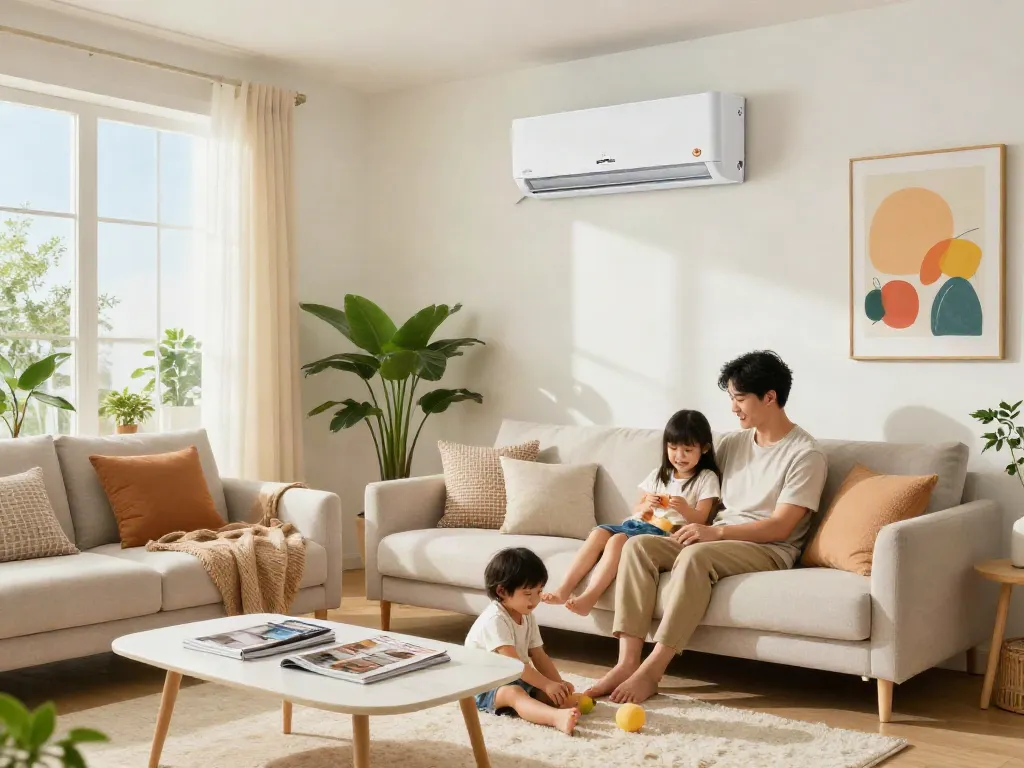
Understanding Mini Split Air Conditioners
Mini split air conditioners have revolutionized the way we approach home cooling and heating. These systems are designed to provide comfort without the need for ductwork, making them an ideal choice for homes that lack traditional HVAC systems. With their flexibility, energy efficiency, and ease of installation, it's no wonder that many homeowners now consider a mini split air conditioner as their go-to solution for climate control.
What is a Mini Split Air Conditioner?
A mini split air conditioner is a type of ductless air conditioning system that consists of two main components: an indoor air handling unit and an outdoor compressor unit. This separation allows for quiet operation indoors while efficiently cooling the air.
Mini splits can operate in various modes, including cooling, heating, dehumidifying, and even fan-only operation. This versatility makes them suitable for both residential and commercial settings.
How Mini Split Systems Work
Mini split systems use a refrigeration cycle to transfer heat. Here's how it works:
- Evaporation: The indoor unit contains evaporator coils filled with refrigerant. Warm air from the room passes over these coils, causing the refrigerant to absorb heat and evaporate.
- Compression: The gaseous refrigerant is then sent to the outdoor compressor unit, where it is compressed, raising its temperature.
- Condensation: The hot gas is pumped back to the indoor unit, where it releases heat to the indoor air through condenser coils, cooling the space.
- Expansion: The refrigerant then returns to a liquid state and flows back to the indoor unit, and the cycle repeats.
Key Benefits of Mini Split Air Conditioners
Mini splits offer numerous advantages over traditional HVAC systems:
- Energy Efficiency: Mini split systems are highly efficient, often boasting SEER (Seasonal Energy Efficiency Ratio) ratings over 20, leading to substantial energy savings.
- Flexible Installation: Without ductwork, installation is simpler and can be completed in various configurations, perfect for renovations or new constructions.
- Zone Control: Different areas of your home can be cooled or heated independently, allowing for customized comfort in each room.
- Quiet Operation: The outdoor unit operates quietly, making it suitable for residential use without disruptive noise.
Choosing the Right Mini Split Air Conditioner
When selecting a mini split air conditioner, there are several critical factors to consider to ensure you find the best fit for your space.
Factors to Consider When Buying
Consider these key aspects:
- Cooling Capacity: Measure in BTUs (British Thermal Units), the system’s capacity should match the size of your room to achieve efficient cooling. A room that is too large for the unit will lead to inadequate cooling, while a small room could be overcooled.
- Energy Efficiency Ratings: Look for models with high SEER ratings for maximum efficiency and potential savings on your energy bills.
- Noise Levels: If you’re sensitive to noise, check the dB (decibel) ratings of both the indoor and outdoor units. Some brands offer whisper-quiet models.
- Installation Type: Decide if you want a DIY installation or if you prefer to hire professionals. This can affect the total cost and convenience.
Top Brands and Models for 2026
As of 2026, several brands lead the market in quality and reliability:
- Daikin: Known for innovation and efficiency, Daikin models often include advanced features like smart thermostats and integrated Wi-Fi.
- LG: Offers a wide range of units with excellent energy efficiency and high SEER ratings. LG's mini splits are favored for their sleek design and quiet operation.
- Mitsubishi Electric: Renowned for durability and performance, Mitsubishi's systems are great for extreme climates and have long lifespans.
- Fujitsu: Offers excellent performance in heating and cooling, particularly in colder climates.
Comparing Specifications and Features
When comparing different models, it’s essential to evaluate:
- BTU Rating: Higher BTUs mean stronger cooling power.
- SEER Rating: For higher energy savings, a SEER rating of 18 or above is ideal.
- Features: Look for additional features such as programmable settings, remote control, and air purification capabilities.
Installation and Maintenance of Mini Split Systems
Understanding the installation and maintenance of mini split systems can extend their life and enhance performance.
Hiring Professionals vs. DIY Installation
While DIY installation is possible for those with some technical knowledge, hiring a professional can lead to better results. Experts will ensure that:
- The unit is properly sized for your space.
- The refrigerant is charged correctly.
- The installation adheres to local codes and regulations.
Many warranties require professional installation, so consider this when making your decision.
Essential Maintenance Tips for Longevity
Regular maintenance is crucial for optimal performance:
- Clean the filters: Monthly cleaning of filters is essential to ensure air quality and system efficiency.
- Check refrigerant levels: Low refrigerant can indicate leaks, impacting cooling performance.
- Clean the outdoor unit: Remove any debris that may obstruct airflow around the unit.
Troubleshooting Common Issues
Common issues might include:
- Inadequate cooling: Check for blocked filters or low refrigerant levels.
- Unusual noises: Noises may indicate loose parts or a failing compressor.
- Frequent cycling: This can be a sign of an oversized unit or a malfunctioning thermostat.
Energy Efficiency and Cost Savings
One of the most appealing aspects of mini split systems is their energy efficiency, leading to significant cost savings over time.
Understanding Energy Ratings for Mini Splits
Energy ratings, particularly SEER, indicate the efficiency of your unit. Higher ratings mean better efficiency, which translates into lower energy bills. To understand your energy consumption better, consider:
- Calculating your average monthly energy bill before and after installation.
- Monitoring the unit’s performance during peak usage times.
How Mini Splits Can Reduce Your Energy Bill
Mini split systems can significantly reduce energy costs as they:
- Allow for zoning, enabling you to cool only the rooms in use.
- Use inverter technology that adjusts the compressor speed, reducing energy consumption compared to traditional cooling units.
Incentives and Rebates for Energy-Efficient Systems
Many states offer rebates or tax incentives for installing energy-efficient mini split systems. Check local utility companies or government websites to see if you qualify. These incentives can help offset the initial installation costs.
Future Trends in Mini Split Technology
As technology advances, mini split systems continue to evolve, integrating innovative features aimed at improving efficiency and user experience.
Innovations to Look for in 2026
Innovations expected include:
- Smart Home Compatibility: More systems will feature integration with smart home devices for easier control and monitoring.
- Enhanced Energy Efficiency: New models are expected to improve upon existing efficiency standards, further lowering energy bills.
- Self-Diagnostic Features: Advanced systems will have sensors that can alert homeowners to maintenance needs or potential failures.
Smart Home Integration with Mini Splits
Integration with smart home platforms like Google Home or Amazon Alexa allows users to control their mini split systems through voice commands or mobile apps. Features include:
- Remote temperature adjustment.
- Energy consumption tracking.
- Scheduling capabilities based on usage patterns.
Environmental Impact and Sustainability
With increasing awareness of climate change, mini split systems are positioned as a more sustainable option compared to traditional HVAC systems. They consume less energy, which reduces greenhouse gas emissions, and many models use eco-friendly refrigerants that are less harmful to the environment.
What are the disadvantages of a mini split?
Despite their benefits, mini split systems come with some drawbacks, including:
- Initial Cost: The upfront cost can be higher compared to window units or central systems.
- Aesthetic Impact: Indoor units may not blend with all home decor styles.
- Potential for Leaks: Improper installation can lead to refrigerant leaks.
Is a mini split air conditioner worth it?
For many homeowners, the benefits of energy efficiency, zoning capabilities, and minimal installation disruption make a mini split air conditioner a worthwhile investment. Evaluating personal comfort needs and local climate can help determine if it's the right fit for you.
Why is my electric bill so high with mini split?
High electric bills can arise from various factors, including:
- Incorrect sizing of the unit.
- Improper maintenance leading to inefficiencies.
- Excessive usage of the system during peak temperatures.
How much does a mini split cost for a 2000 sq ft house?
The cost of installing a mini split system for a 2000 sq ft house can range from $4,000 to $14,000, depending on various factors, including the number of zones required, the brand selected, and installation complexity.
Best mini split air conditioner for small spaces?
For small spaces, models with lower BTU ratings but high SEER ratings are ideal. Brands like LG and Mitsubishi offer compact units specifically designed for efficient cooling in tight areas.